
The natural fiber revolution: a new chapter in fashion

A Forward-Looking Future for Fashion
Around the world, natural fibers are increasingly adopted as materials of the future: adaptable, biodegradable, and aligned with a new era of climate-conscious design.
In the years ahead, they are likely to play an increasingly important role across the clothing and design industry, offering a sustainable alternative to synthetic materials such as plastics and polyester, which are largely produced from non-renewable fossil fuels.
Kenya’s opportunity
Countries like India and Bangladesh are scaling fiber innovation through industrial research and bio-composites. On the other hands, the Philippines is pushing abacá into aerospace and technical applications. Japan blends centuries-old craft with cutting-edge engineering, and Brazil is researching the potential of diverse Amazonian plant fibers.
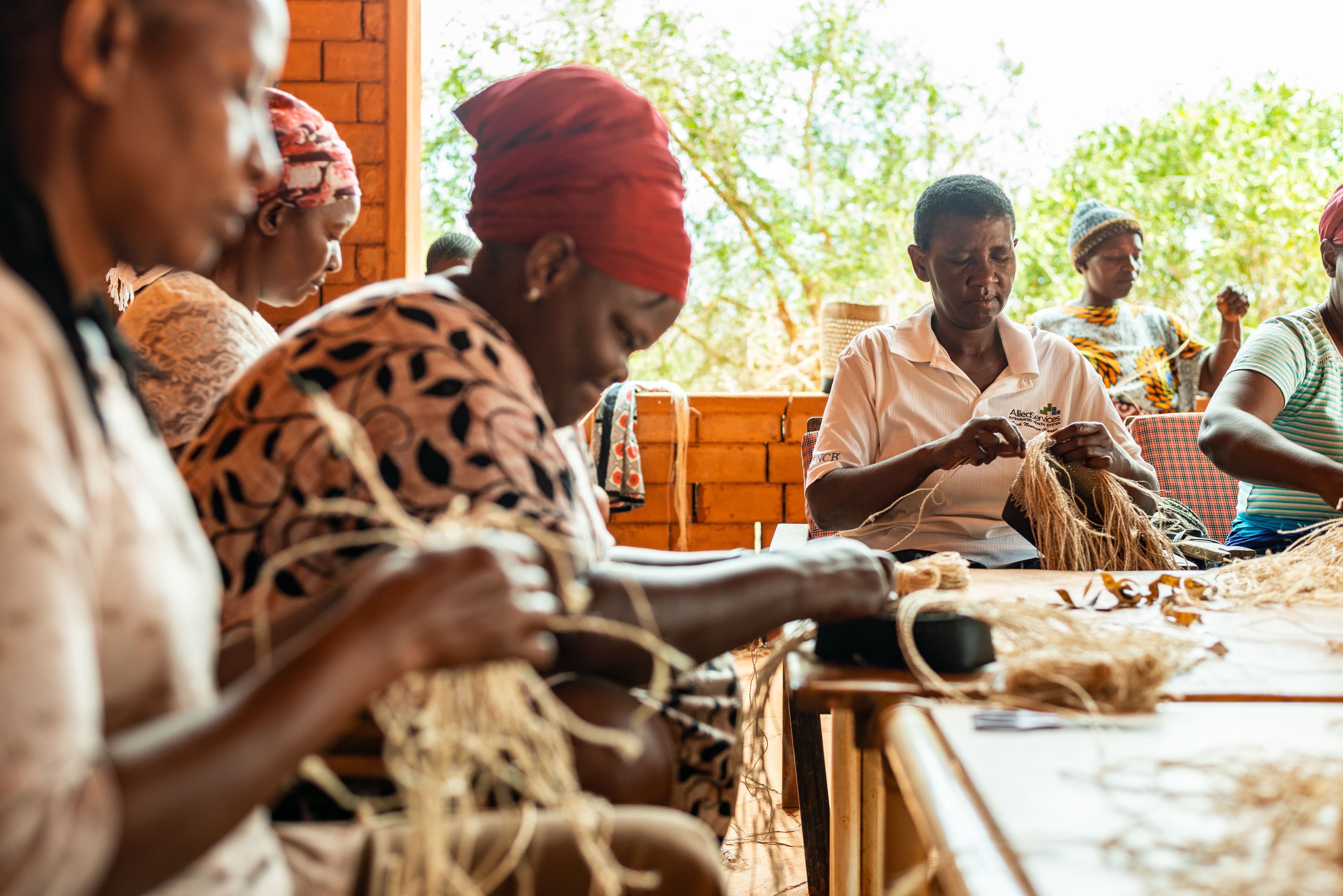
Kenya’s place in this landscape is distinct: its strength lies in decentralized, community-driven production, climate-resilient crops like sisal and doum palm. Why does that matter? Climate change poses an important risk to natural fiber’s production and supply chain. Abnormal changes in temperature patterns, storms and fires are exacerbated by climate change and can disturb the agricultural cycle and plants’ growth phase, negatively impacting crop yields. In the future, the most desirable fibres will be those with resilient supply chains that can provide the desired properties with consistency, as well as quantities at competitive prices.In addition, a new wave of innovators using heritage craft to meet global design standards. Kenya's case study shows the potential for those regenerative materials to support livelihoods, preserve cultural knowledge, and compete in high-value fashion and international design markets.
A growing market
The shift toward natural fibers comes at a key moment. As awareness of the environmental impacts of synthetic materials grows, so does demand for renewable and biodegradable alternatives. According to Grand View Research, the global natural fiber market was estimated at USD 69.23 billion in 2024 and it is projected to reach USD 94.65 billion by 2030.
According to a study by UNCTAD, natural fibers remain under-utilized: as of 2024, of the roughly 120 million tonnes of global fiber consumption, 33 million tonnes come from natural sources. By scaling natural fiber production in a responsible way, the fashion industry can better align with the global climate agenda while supporting local economies.
Challenges and possibilities
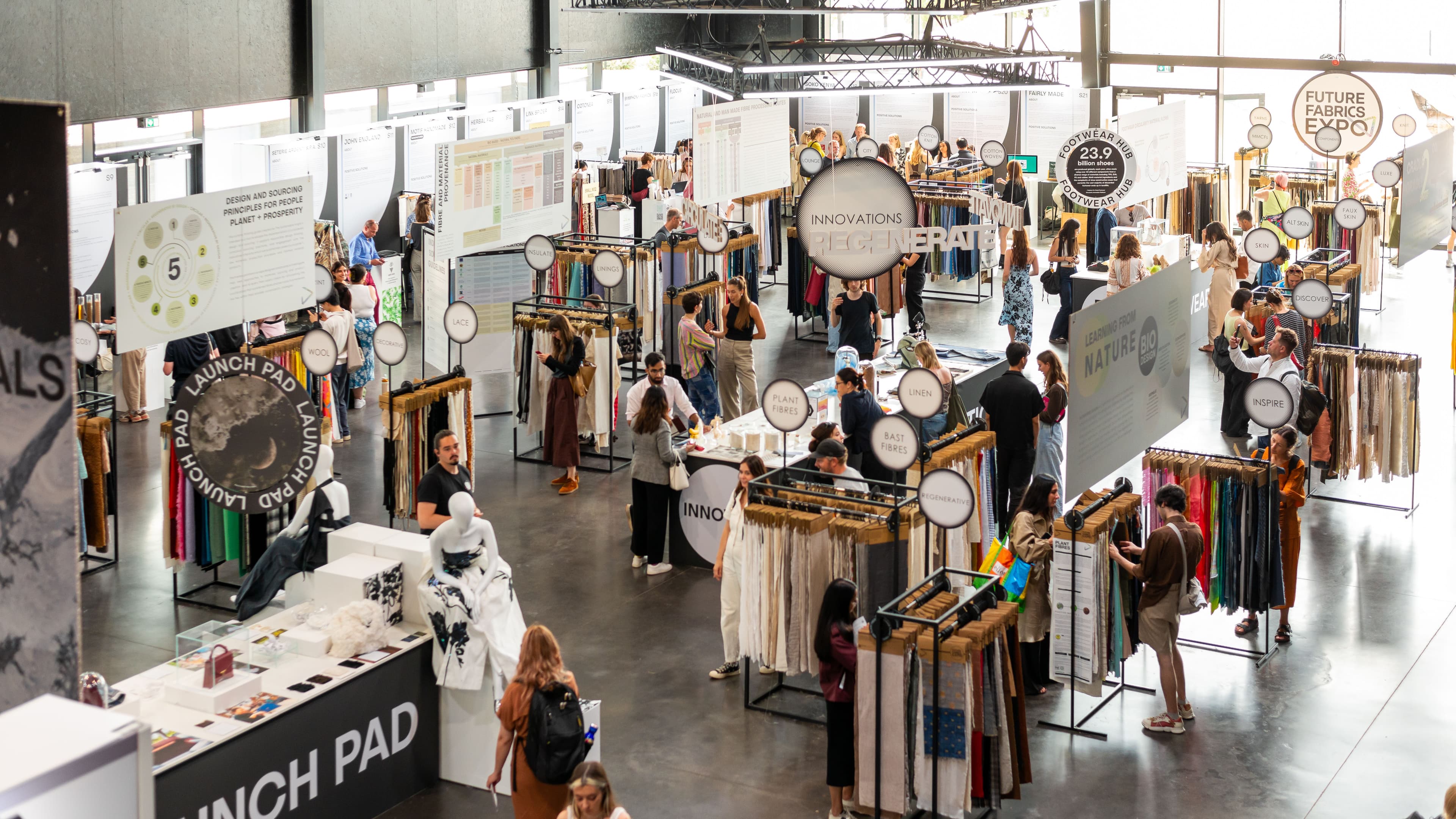
In spite of the growing excitement, challenges remain as scaling production to meet growing demand requires investment in infrastructure, to facilitate the transformation process from fiber extraction to spinning and weaving. Quality and consistency can vary, particularly across decentralized, small-scale operations which require improved quality control. There’s also the question of cost: synthetic materials are often cheaper because of industrial economies of scale, and integrating natural fibers into global design markets necessitates thoughtful product development, storytelling, and certification to ensure trust, transparency and traceability.
These challenges are not insurmountable: mapping local fiber resources, partnering with farmers and artisans, and investing in processing capacity close to the source, sustainable value chains can be established. And on the other hand, Natural fibres present great advantages as durable, storable commodities. Bales of natural fibre do not require refrigeration. They are not attacked by pests. They do not spoil, and if handled properly (and not exposed to fire or water) they can be stored nearly indefinitely without losing value.
What could make the difference on the global stage are well designed climate policies and regulations in favor of lower-carbon and more sustainable alternative, which could shift incentives to using natural fibers over polyester and other synthetic fibers.
What Are Natural Fibers? Think of natural fibers as nature’s original textiles - long before polyester ruled the world. They come from plants, but also animals, and some are even extracted from minerals. From the soft fluff of cotton and the glossy strands of silk to the sturdy leaves of sisal and banana plants, natural fibers are spun into threads and woven into the fabrics we wear, sleep in, and carry every day. Across the globe, they’re used in everything from clothing and accessories to home décor and even construction and automotive materials.

Let’s take a look at what characterizes each of the fibers.
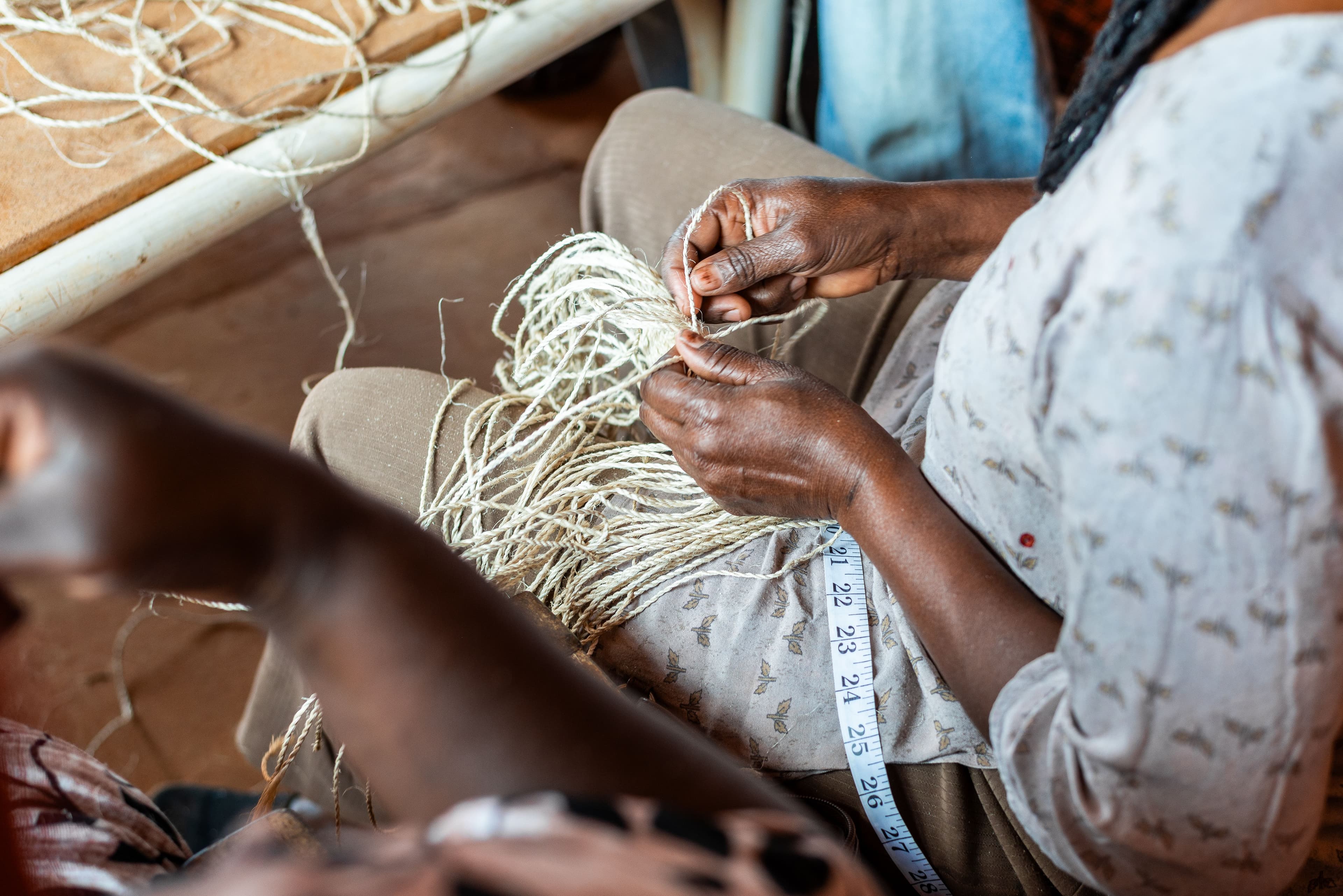
Sisal, as a good example, thrives in semi-arid regions; it requires minimal irrigation and no chemical fertilizers. This resilience makes it a readily available and plentiful, sustainable source of natural fiber for craft communities in marginal areas. The fiber extracted is coarse and durable, well-suited for ropes, mats and bags, and supports rural livelihoods through local value chains.

Banana fiber offers a different but equally compelling story. It is produced from the stems or stalks left over after banana harvesting, an agricultural byproduct that typically would go to waste. The fiber that emerges is soft, flexible and biodegradable, providing a renewable and environmentally responsible alternative to synthetic textiles. Compared to sisal, banana fiber is lighter and smoother, making it especially desirable for fashion and accessories that demand a softer touch.

Doum palm fiber brings yet another dimension to this revolution. Harvested from the leaves of the doum palm (Hyphaene compressa), this fiber is strong, pliable and naturally textured, ideal for weaving baskets, mats, bags and other accessories. Palm weaving has long been a traditional craft in Kenya, particularly among women artisans. Beyond its aesthetic and cultural value, doum palm fiber is also practical: the doum palm grows in arid and semi-arid regions where other raw materials may be scarce, making it an accessible resource for craft communities. Crafts made from this fiber play an important role in preserving heritage weaving skills while also creating economic opportunities in areas where alternative livelihoods may be limited.
Supported by the Ethical Fashion Initiative and Funded by the Ministry of Foreign Affairs and International Cooperation (MAECI) through the Italian Agency for Development Cooperation (AICS).